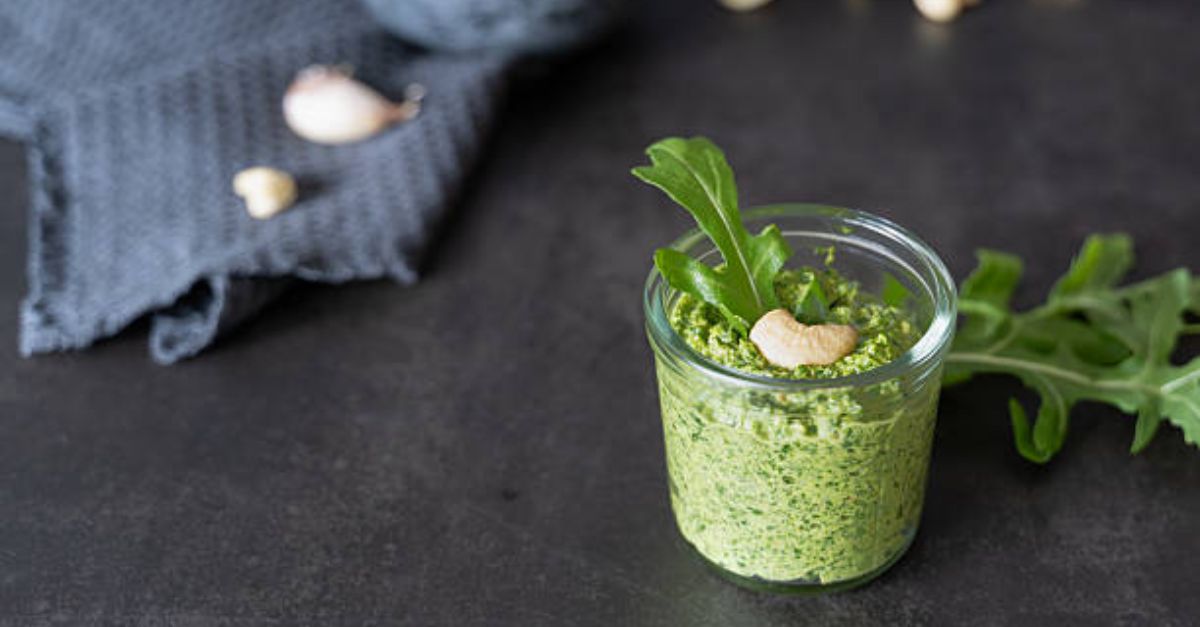
Prep Time: 10 minutes
Total Time: 15 minutes
Skill Level: Easy
Yield: Approximately 1 cup (enough for 4-6 servings of pasta)
Cuisine: Italian (Ligurian)
Category: Sauce, Condiment
Dietary Note: Vegetarian (use vegetarian hard cheese if required). Can be made gluten-free and dairy-free with modifications (see notes).
Ingredients
100g (about 4 packed cups) fresh Genovese basil leaves
60g (½ cup) high-quality extra virgin olive oil (plus more for storage)
45g (⅓ cup) pine nuts (pinoli)
60g (⅔ cup) freshly grated Parmigiano-Reggiano cheese
30g (⅓ cup) freshly grated Pecorino Romano cheese (for authentic sharpness; you can use all Parmigiano for a milder taste)
1-2 small garlic cloves, peeled and crushed
½ teaspoon coarse sea salt (or to taste)
A pinch of coarse sea salt for the mortar
Equipment Notes: A large marble or stone mortar and a wooden pestle are traditional and create the best-textured, most flavorful pesto by gently crushing rather than tearing the leaves. A food processor or high-powered blender is a faster, effective alternative for convenience.
Instructions
Step 1: Prepare the Ingredients (5 minutes)
This crucial step ensures optimal flavor. Gently wash the basil leaves in cold water and pat them completely dry with a clean kitchen towel or use a salad spinner. Any residual water will dull the color and flavor. Grate the cheeses. Lightly toast the pine nuts in a dry pan over low heat for 2-3 minutes until fragrant and just golden—watch carefully as they burn easily. This enhances their nutty flavor. Let them cool.
Step 2: The Traditional Mortar & Pestle Method (Recommended)
Build the Base: In the mortar, add the garlic cloves and a generous pinch of coarse salt. The abrasive salt helps break down the garlic. Grind with a circular motion until a smooth paste forms.
Add the Nuts: Add the cooled pine nuts and continue to crush them until you get a coarse, creamy paste.
Incorporate the Basil: This is the key step. Add a small handful of dry basil leaves with another pinch of salt. Using a circular, grinding motion against the sides and bottom of the mortar, crush the leaves. The friction will release their oils and darken the paste. Continue adding basil leaves in small batches, patiently grinding each batch before adding the next. This slow process prevents bitterness and oxidation, resulting in a beautifully dark, creamy emulsion.
Combine Cheeses and Oil: Once all basil is incorporated and you have a thick green paste, add both grated cheeses. Mix thoroughly with the pestle until combined.
Emulsify with Oil: Slowly drizzle in the extra virgin olive oil while stirring with the pestle in a circular motion, allowing the sauce to emulsify and become fluid. Taste and adjust salt if needed.
Step 3: The Modern Food Processor/Blender Method (Fast & Easy)
Pulse the Aromatics: In the bowl of a food processor or blender, combine the cooled pine nuts, garlic, and salt. Pulse 4-5 times until coarsely chopped.
Add the Basil: Add all the completely dry basil leaves. Pulse in very short bursts, scraping down the sides as needed, until the leaves are finely chopped. Do not run the machine continuously, as this will bruise the basil and heat the sauce.
Add Cheese and Oil: Add the grated cheeses. With the machine running on low, slowly pour the olive oil through the feed tube in a thin, steady stream until the pesto is mostly smooth but still has a bit of texture. Stop and scrape down the sides as needed.
Step 4: Storage & Serving
To serve immediately, mix with al dente pasta (like trofie, trenette, or linguine) along with a splash of the pasta cooking water to create a silky sauce that clings to every strand.
To store, transfer the pesto to a clean jar and press it down with the back of a spoon to eliminate air bubbles. Pour a thin layer of extra virgin olive oil over the top to seal out air, which prevents oxidation (browning). Cover tightly and refrigerate for up to 1 week. For longer storage, freeze in ice cube trays, then transfer the frozen cubes to a freezer bag for up to 3 months.
Chef’s Notes & Variations
The Basil is Key: Use the youngest, most vibrant Genovese basil you can find. Avoid any leaves with black spots or a minty scent.
No Pine Nuts? Substitute with blanched almonds or walnuts for a different, but still delicious, profile.
Dairy-Free/Vegan Option: Omit the cheese and add 1-2 tablespoons of nutritional yeast and an extra pinch of salt for a savory, “cheesy” flavor.
For a Lighter Pesto: You can reduce the oil slightly, but note it will affect the sauce’s creaminess and preservation.
Preventing Browning: The mortar method and the oil-layer storage technique are your best defenses against the pesto turning brown.
Nutritional Information (Per 2-Tablespoon Serving)
Calories: ~170 kcal
Total Fat: 16g
Saturated Fat: 3.5g
Cholesterol: 10mg
Sodium: 250mg (varies with cheese and salt)
Total Carbohydrates: 2g
Dietary Fiber: 0.5g
Sugars: 0.5g
Protein: 6g