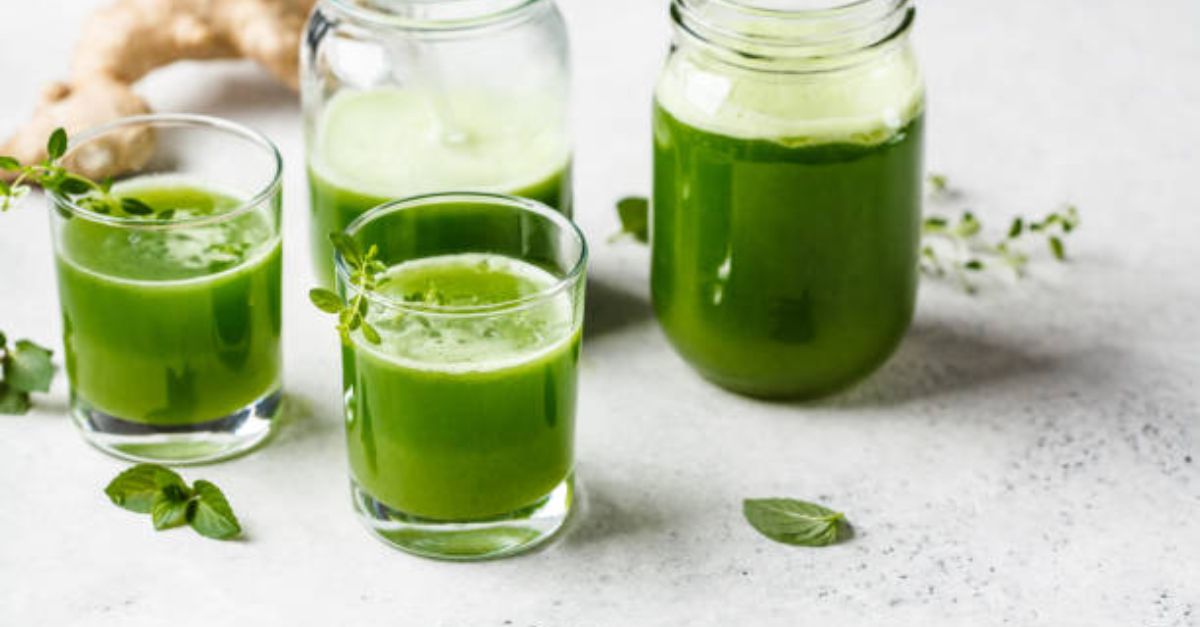
Prep Time: 10 minutes
Juicing Time: 5 minutes
Total Time: 15 minutes
Intensity:
-
Flavor: Mild & Refreshing
-
Zestiness: Medium (from the ginger and lemon)
-
Sweetness: Low to Medium
-
Effort: Low
Ingredients
-
1 large handful of fresh kale leaves (approx. 2 cups, stems removed)
-
1 large handful of fresh parsley (stems and leaves)
-
2 large celery stalks, including leaves
-
1 medium cucumber (peeled if not organic)
-
1 medium green apple, cored and quartered
-
1-inch knob of fresh ginger, peeled
-
½ lemon, peeled
Instructions
-
Prep Your Produce: Thoroughly wash all your fruits and vegetables. Even if you’re using organic produce, a good rinse is essential. This step ensures you’re not juicing any dirt or impurities.
-
Juice in Stages: This is a crucial step for optimizing the yield from your juicer. To get the best results, we recommend the “hard-soft” juicing method.
-
Stage 1: Start with the hard, more fibrous ingredients. Feed the celery, cucumber, green apple, and ginger into your juicer. The high water content of these items will help push the softer greens through more effectively.
-
Stage 2: Feed the kale and parsley in between the firmer ingredients. You can even roll the kale leaves into a tight bundle before pushing them through to ensure they break down properly.
-
Stage 3: Finally, juice the lemon. Juicing it right at the end helps to push through any remaining bits of the greens that might be stuck in the juicer, maximizing your yield.
-
-
Stir and Enjoy: Once all the ingredients have been juiced, give the juice a good stir to combine all the flavors. The natural separation of juice is normal. Pour it into a glass and enjoy immediately for the best nutritional value and flavor.
Chef’s Tips & Variations
-
For a Cooler Twist: Add a few ice cubes to the juice or chill the ingredients beforehand for an even more refreshing experience.
-
Sweetness Adjustment: If you prefer a sweeter juice, add half a pear or an extra half of a green apple. For a tarter flavor, increase the amount of lemon.
-
Spice it Up: If you’re a fan of heat, add a pinch of cayenne pepper to the finished juice to boost circulation and add an extra anti-inflammatory kick.
-
The Pulp: Don’t throw away the pulp! You can use it to make vegetable broth, add it to compost, or even mix it into baked goods for extra fiber.
-
Not a Juicer? If you don’t have a juicer, you can make this in a high-speed blender. Add all the ingredients with about ½ a cup of water. Blend on high until smooth, then strain the mixture through a nut milk bag or fine-mesh sieve to separate the juice from the pulp. Squeeze the bag thoroughly to extract all the liquid.
Nutrition Information
Nutritional values are estimated and can vary based on the specific ingredients and juicer used.
| Nutrient | Amount per Serving (approx. 16 oz) | % Daily Value* |
|---|---|---|
| Calories | 150 kcal | – |
| Total Fat | 1 g | 1% |
| Saturated Fat | 0 g | 0% |
| Sodium | 160 mg | 7% |
| Total Carbohydrates | 35 g | 13% |
| Dietary Fiber | 8 g | 29% |
| Sugars | 18 g | – |
| Protein | 5 g | 10% |
| Vitamin A | 150% | – |
| Vitamin C | 180% | – |
| Vitamin K | 400% | – |
| Calcium | 15% | – |
| Iron | 15% | – |
| Potassium | 980 mg | 28% |