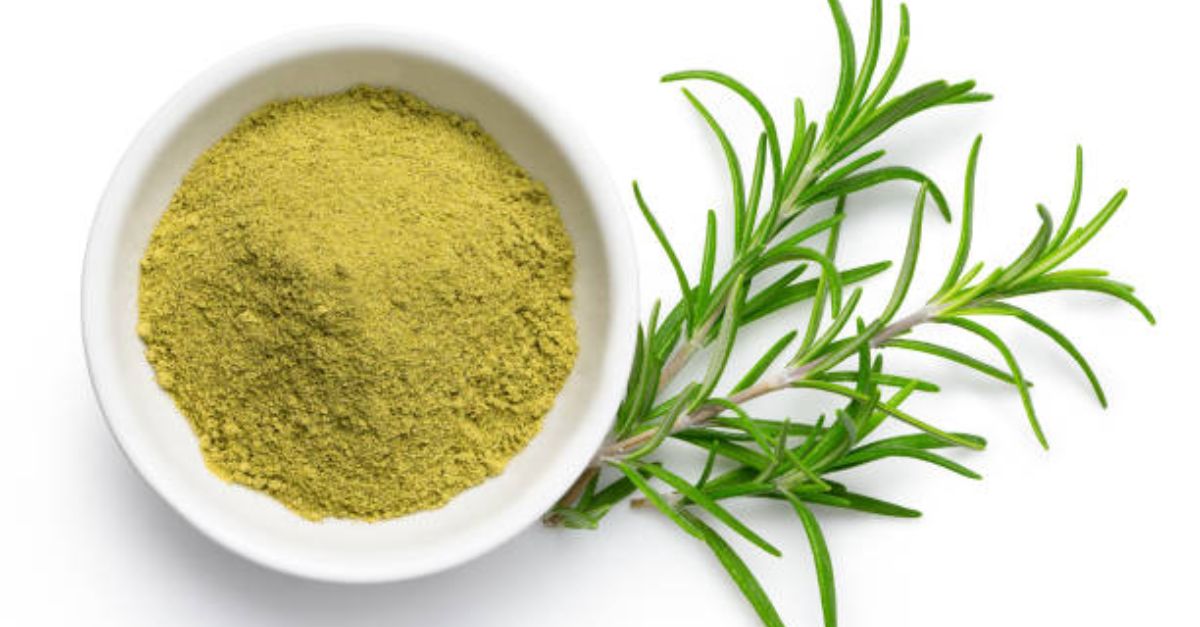
Prep Time: 10 minutes
Dehydrating Time: 8-12 hours (depending on the method)
Cooling Time: 15 minutes
Grinding Time: 5 minutes
Total Time: Approximately 8.5 to 12.5 hours
Intensity Profile
Understanding the “intensity” of a spice is key to using it effectively. This profile breaks down the sensory and culinary impact of your homemade rosemary powder.
Flavor Intensity: Very High. The powder is significantly more potent than fresh leaves. A little goes a long way.
Aroma Intensity: High. The initial grinding releases a powerful, heady fragrance of pine, eucalyptus, and resin. The aroma mellows slightly over time but remains robust.
Color Intensity: Medium. The powder is a rich, muted olive-green to sage-green. It will impart a subtle speckled green hue to light-colored dishes like mashed potatoes or white sauces.
Heat/Spiciness: None. Rosemary has no capsaicin heat, but it offers a “warming” sensation on the palate, characteristic of Mediterranean herbs.
Bitterness Potential: High. Over-toasting or using old, poorly stored leaves can introduce a bitter note. This recipe focuses on a low-and-slow dehydration process to preserve the sweet, piney notes and minimize bitterness.
Ingredient List
The beauty of this recipe lies in its minimalist purity.
Fresh Rosemary Sprigs: 4-6 large branches (approximately 2 cups of fresh leaves). Choose bright, vibrant green sprigs with no signs of browning or wilting. The most flavorful leaves are those from the younger, softer parts of the plant, but older, woodier stems are fine as the leaves will be stripped. Note: For this recipe, we will not be using the woody stems, only the leaves.
Equipment Needed
A clean, dry workspace
Kitchen scissors or sharp kitchen shears
A baking sheet or a dehydrator tray
Parchment paper (if using an oven)
A spice grinder, coffee grinder, or high-powered blender
A fine-mesh strainer or sieve
An airtight glass jar for storage
The Recipe: A Step-by-Step Guide
The process is simple, but patience is the key ingredient.
Part 1: Harvesting and Preparation
Clean the Rosemary: If you’ve foraged your rosemary or bought it from a store, it may have some dirt or tiny bugs. Gently rinse the sprigs under cool, running water.
Dry Thoroughly: This is the most critical step for preparation. Water on the leaves will significantly increase the drying time and can cause the leaves to mold instead of dehydrate. Pat the sprigs completely dry with a clean kitchen towel or paper towels. Let them air-dry on a rack for another 30 minutes to ensure no moisture remains.
Strip the Leaves: Hold the top of a rosemary sprig with one hand. With the other hand, firmly grip the stem just below the top and pull downwards against the direction of the needles. The leaves should come off easily. Discard the tough, woody stems. If you have a lot of leaves, this can be a therapeutic, meditative task. Chef’s Tip: Don’t worry if you break a few; the goal is to get as many leaves as possible.
Part 2: Dehydration
You have two primary options for this step. Choose the one that best suits your time and equipment.
Option A: Using a Food Dehydrator (Recommended)
This is the preferred method as it offers the most controlled environment, preserving the highest amount of volatile oils and color.
Arrange the fresh rosemary leaves in a single, even layer on the dehydrator trays. Do not overcrowd them; airflow is essential.
Set the dehydrator to a low temperature, ideally between 95°F (35°C) and 105°F (40°C) . A temperature of 115°F (46°C) is acceptable if your machine doesn’t go lower.
Dehydrate for 8-10 hours. The leaves are ready when they are completely brittle. They should crumble easily between your fingers. If they bend or are even slightly pliable, they need more time.
Option B: Using a Conventional Oven
Preheat your oven to its lowest setting. This is usually around 170°F (77°C) . If your oven has a “warm” or “dehydrate” setting, use that.
Line a baking sheet with parchment paper and spread the rosemary leaves in a single layer.
Place the baking sheet in the center of the oven. Prop the oven door open slightly with a wooden spoon. This is crucial! It allows moisture to escape and ensures the temperature inside doesn’t get too high, which would “cook” the leaves and destroy their delicate flavor.
Dehydrate for 3-4 hours. Check on them frequently. The lower leaves may dry faster. They are ready when they are brittle and crumble easily.
Part 3: Cooling
This is a mandatory pause.
Remove the dehydrated rosemary leaves from the dehydrator or oven.
Transfer them to a plate or a clean, dry bowl.
Let them cool completely to room temperature. This takes about 15 minutes. Grinding warm leaves can lead to clumping and condensation inside your grinder, ruining the texture of your powder.
Part 4: Grinding to a Powder
Place the cooled, brittle rosemary leaves into your spice grinder, coffee grinder, or the small cup of your high-powered blender.
Process in short, powerful bursts. Do not hold the button down for more than 5-10 seconds at a time. This prevents the grinder from overheating and also gives you better control over the texture. The volatile oils can heat up and become gummy if over-processed.
Continue pulsing until you have a fine, powdery consistency.
Part 5: Sieving and Storing
This is the step that separates a good powder from a great one.
Place a fine-mesh strainer or sieve over a clean bowl.
Pour the ground rosemary into the strainer.
Gently tap or shake the strainer to sift the fine powder through. You will be left with larger, fibrous pieces in the sieve.
Chef’s Secret: Don’t throw these larger pieces away! They are still full of flavor. Return them to the grinder for another few pulses, then sift them again. Repeat the process until you have as much fine powder as possible. You may be left with a small amount of stem-like fibers, which you can discard.
Transfer the beautiful, fine, vibrant green powder into your clean, airtight glass jar.
Label the jar with the date and the contents.
The Final Steps: Using Your Culinary Treasure
Your homemade rosemary powder is now ready. It is a versatile and potent ingredient.
As a Rub: It is the cornerstone of a great dry rub for lamb, pork, or chicken. Combine it with salt, pepper, garlic powder, and a touch of smoked paprika.
In Baking: Add 1-2 teaspoons to your favorite focaccia, bread, or scone dough for an aromatic, savory punch.
In Sauces: Use it to finish a creamy béchamel or a tomato sauce. It dissolves beautifully, infusing the entire sauce without the need to pick out stubborn leaves later.
A Flavor Finisher: A light dusting over roasted vegetables or even popcorn is a simple, elegant way to use it.
Rosemary Powder Nutrition
This is an approximate nutritional profile for 1 teaspoon (about 2 grams) of pure, dried rosemary powder.
Nutrient Amount % Daily Value (Approx.)
Calories 6 kcal <1%
Total Fat 0.3 g <1%
– Saturated Fat 0.1 g <1%
Sodium 1 mg <1%
Total Carbohydrate 1.2 g <1%
– Dietary Fiber 0.8 g 3%
– Total Sugars 0 g 0%
Protein 0.1 g <1%
Calcium 64 mg 5%
Iron 0.7 mg 4%
Manganese 0.1 mg 6%
Vitamin B6 <0.1 mg 2%
Vitamin C <1 mg 1%