Prep Time: 25 minutes (plus 1 hour for butter and eggs to reach room temperature)
Bake Time: 1 hour 20 minutes to 1 hour 30 minutes
Cooling Time: 2 hours (minimum) in the pan, then completely on a rack
Total Time: ~4.5 hours (plus optimal 8-24 hour rest before serving)
Intensity Level: Medium. While the ingredient list is simple, success hinges on meticulous technique—primarily, the lengthy creaming process and proper temperature management. Not difficult, but requires attention to detail.
Ingredients
1 pound (4 sticks) unsalted butter, softened to true room temperature (pliable but not oily)
3 cups granulated sugar
6 large eggs, room temperature
4 cups all-purpose flour, sifted (then measured)
¾ cup whole milk, room temperature
⅓ cup evaporated milk (not sweetened condensed), room temperature
1 teaspoon pure vanilla extract
1 teaspoon pure almond extract (the secret ingredient!)
½ teaspoon fine sea salt
Equipment
10-inch (12-cup) Bundt pan
Stand mixer with paddle attachment (a hand mixer can be used but requires endurance)
Sifter
Medium bowl
Rubber spatula
Wire cooling rack
Toothpick or cake tester
Instructions
Step 1: The Critical Prep (1+ hours before mixing)
Remove butter and eggs from the refrigerator. Cut the butter into tablespoon-sized pieces and let sit on the counter. Place eggs in a bowl of warm (not hot) water for 10 minutes to gently take the chill off. This step is non-negotiable for proper emulsification and volume. Generously grease your Bundt pan with solid shortening or butter, then dust with flour, tapping out excess. Preheat oven to 300°F (150°C). The low-and-slow bake is key to the perfect crust and even interior.
Step 2: The Foundation Cream (20-25 minutes)
In the bowl of your stand mixer, combine the softened butter and sugar. Beat on medium speed (4-6 on a KitchenAid) for a full 8-10 minutes. Stop halfway to scrape down the bowl. The mixture must become exceptionally pale, fluffy, and almost like whipped frosting. This lengthy creaming incorporates air, which is the sole leavening agent in this cake.
Step 3: Incorporating the Eggs (5-7 minutes)
Add the room-temperature eggs one at a time, beating on medium-low speed (2-4) for a full 60 seconds after each addition. Scrape the bowl down after every 2-3 eggs. This slow, steady integration is what builds the cake’s structure and prevents curdling. The batter should remain smooth, glossy, and voluminous.
Step 4: The Dry & Wet Dance (5 minutes)
In a medium bowl, whisk together the sifted flour and salt. Combine the whole milk, evaporated milk, and both extracts in a measuring cup. With the mixer on low speed (Stir or 2), add the flour mixture and milk mixture alternately to the batter, beginning and ending with the flour. Use 3 additions for flour and 2 for milk. Mix just until combined after each addition. The final batter will be thick, silky, and stunningly smooth.
Step 5: The Bake (1 hour 20-30 minutes)
Spoon the batter into the prepared Bundt pan. Smooth the top. Place in the center of the preheated oven. Bake for 1 hour 20 minutes to 1 hour 30 minutes. DO NOT OPEN THE OVEN for at least the first hour. The cake is done when:
A long toothpick or cake tester inserted near the center comes out clean.
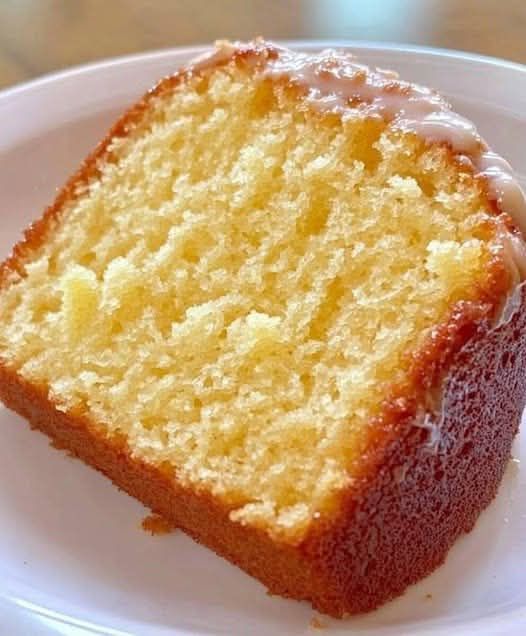
The top is a deep, golden brown with a firm, cracked crust.
The cake pulls slightly away from the sides of the pan.
Step 6: The Patient Cool (2+ hours)
This is the second most critical step. Remove the cake from the oven and place the pan on a wire rack. Let it cool in the pan for a full 2 hours. This allows the delicate structure to set. Attempting to remove it early will cause breakage. After 2 hours, gently loosen the edges with a thin knife or offset spatula. Invert the cake onto the rack, tap firmly, and lift the pan away. Allow the cake to cool completely, another 1-2 hours.
Step 7: The Grand Finale – Rest & Serve
For the absolute best texture and flavor, wrap the completely cooled cake in plastic wrap or place under a cake dome and let it rest at room temperature overnight (8-12 hours). This allows the flavors to meld and the crumb to become unbelievably moist and tender. Slice with a sharp, serrated knife. Serve plain, with a dusting of powdered sugar, or alongside fresh berries and whipped cream.
The Last Word: A Recipe That Teaches
The Million Dollar Pound Cake is more than a dessert; it’s a lesson in baking fundamentals. It teaches the value of temperature—how room-temperature ingredients emulsify into a cloud-like batter. It demonstrates the power of time—in the creaming, the slow bake, and the patient rest that transforms it. It proves that technique trumps complexity, and that a handful of humble ingredients, treated with respect, can yield a result worth its weight in gold. Every slice is a testament to the fact that the true “million dollar” ingredient is the care poured into the process.
Nutrition Information
Calories are an approximation and will vary based on specific ingredients and slice size.
Serving Size: 1/16 of cake
Calories: ~580
Total Fat: 30g
Saturated Fat: 18g
Trans Fat: 0g
Cholesterol: 160mg
Sodium: 115mg
Total Carbohydrates: 73g
Dietary Fiber: 1g
Total Sugars: 49g
Protein: 7g