Prep Time: 30 minutes
Tangzhong Cooling Time: 20 minutes
Proofing Time: 90 minutes (total for two rises)
Bake Time: 30–35 minutes
Total Time: ~2 hours 55 minutes
Intensity Level: Medium (requires patience for kneading and shaping, but very forgiving)
Yield: 1 standard 9×5-inch loaf (about 12 slices)
Why This Recipe Works
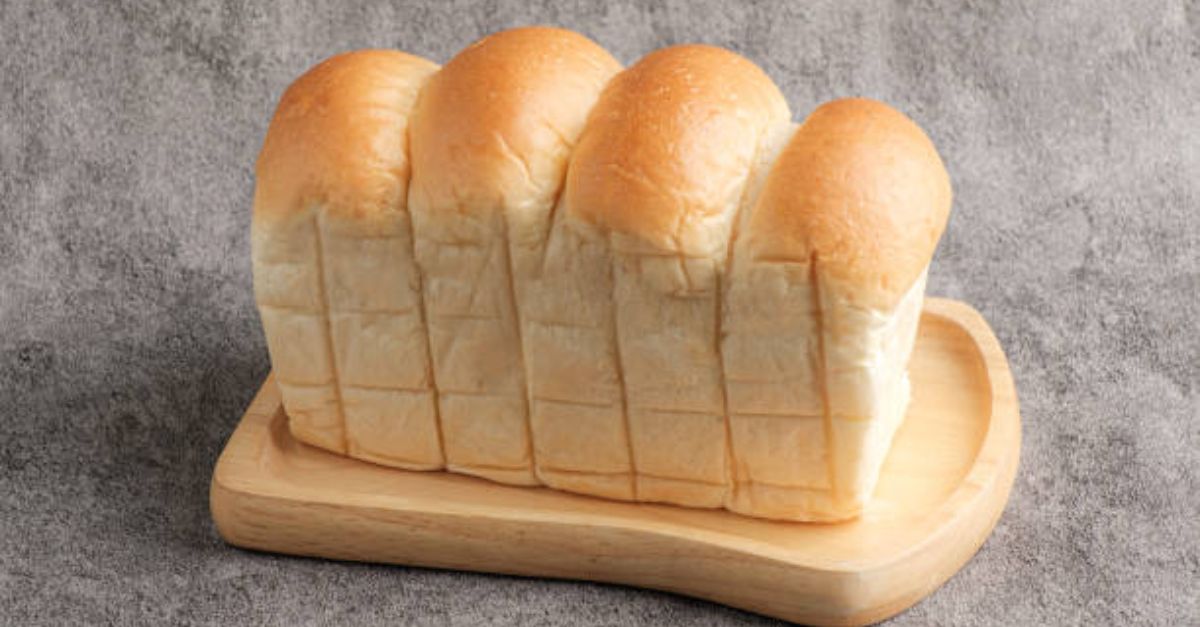
Most breads go stale within a day. Not this one. The tangzhong (water roux) gelatinizes starches, allowing the dough to hold more moisture. The result? A feather-light crumb, a glossy golden crust, and a loaf that stays soft for 3–4 days. This is the bread behind Japan’s legendary convenience store sandwiches.
Ingredients
For the Tangzhong (Water Roux)
20g (2 tbsp) bread flour
100g (100ml) water
For the Dough
300g (2½ cups) bread flour (plus extra for dusting)
30g (2½ tbsp) granulated sugar
6g (1 tsp) salt
7g (2¼ tsp) instant dry yeast
120g (½ cup) whole milk, warm (about 40°C / 104°F)
1 large egg, at room temperature
40g (3 tbsp) unsalted butter, softened and cubed
All of the tangzhong (cooled)
For the Egg Wash (Optional)
1 egg yolk + 1 tsp milk, beaten
Instructions
Intensity Level: Medium – Dedicated but achievable for a home baker. You’ll knead (by hand or machine) and handle a very soft, sticky dough. No special skills required.
Step 1: Make the Tangzhong (5 minutes, low intensity)
In a small saucepan, whisk together the 20g bread flour and 100g water until smooth. Place over medium-low heat, stirring constantly with a spatula. In 1–2 minutes, the mixture will thicken into a paste and lines will appear from your stirring. Remove from heat. Scrape into a small bowl and let cool completely to room temperature (about 20 minutes). Do not skip cooling; warm tangzhong will kill yeast.
Step 2: Activate the Yeast (5 minutes, low intensity)
In a small bowl, combine the warm milk (120g) and instant yeast. Stir gently and let sit for 5 minutes until slightly foamy. If using active dry yeast, wait 10 minutes until bubbly.
Step 3: Mix the Dough (10 minutes, medium intensity)
In the bowl of a stand mixer fitted with a dough hook, combine:
300g bread flour
30g sugar
6g salt
Whisk dry ingredients briefly to distribute. Add the milk-yeast mixture, the room-temperature egg, and all of the cooled tangzhong.
Mix on low speed (speed 2 on a KitchenAid) for 2 minutes until a shaggy, sticky dough forms. Increase to medium-low (speed 4) and knead for 5 minutes.
Step 4: Incorporate the Butter (8–10 minutes, medium-high intensity)
With the mixer running on medium, add the softened butter one cube at a time, waiting until each is almost fully absorbed before adding the next. This will take 3–4 minutes. Once all butter is in, continue kneading on medium for another 5–7 minutes. The dough will transform from a sticky mess into a smooth, soft, slightly tacky dough that pulls cleanly away from the bowl’s sides. Kneading test: Stretch a small piece between your fingers. It should form a thin, translucent “windowpane” without tearing. If it tears, knead 2 more minutes.
No stand mixer? Knead by hand on an unfloured surface for 12–15 minutes. The dough will be very sticky at first. Use a bench scraper. Do not add extra flour; trust the process.
Step 5: First Proof (60 minutes, zero intensity)
Lightly oil a large bowl. Shape the dough into a smooth ball and place it in the bowl, turning to coat. Cover with plastic wrap or a damp towel. Leave in a warm, draft-free place (24–27°C / 75–80°F) for about 1 hour, or until doubled in size. (Cold kitchen? Let it proof in the oven with the light on – no heat.)
Step 6: Shape the Loaf (15 minutes, medium intensity)
Punch down the dough to release gas. Turn it out onto a lightly floured surface. Divide into 3 equal pieces (about 180g each). Cover with plastic and rest for 10 minutes – this relaxes the gluten.
Shape each piece:
Flatten one piece into a rough oval.
Fold the top third down and the bottom third up (like a letter).
Turn 90 degrees, roll out into a 6-inch long rectangle.
Roll up tightly from the short end into a log. Pinch the seam shut.
Place all three logs seam-side down into a greased 9×5-inch loaf pan. They should sit snugly side by side.
Step 7: Second Proof (30–40 minutes, zero intensity)
Cover the pan loosely with plastic wrap. Let rise in a warm place until the dough crests above the rim of the pan by about 1 inch. This takes 30–40 minutes. Preheat your oven to 180°C (350°F) during the last 15 minutes of proofing.
Step 8: Bake (30–35 minutes, low intensity)
Brush the risen loaf gently with egg wash (or milk for a softer crust). Bake on the middle rack for 30–35 minutes. If the top browns too quickly after 20 minutes, tent loosely with foil.
Doneness test: An instant-read thermometer inserted into the center should read 90–93°C (195–200°F). The loaf will sound hollow when tapped on the bottom.
Step 9: Cool (20 minutes, zero intensity)
Remove the bread from the pan immediately and transfer to a wire rack. This is crucial – leaving it in the pan creates a soggy bottom. Cool for at least 20 minutes before slicing. For clean slices, wait 1 hour.
Serving & Storage
Serve: Pull apart the signature shreds, or slice thickly for the world’s best French toast.
Store: Keep in an airtight container at room temperature for 3–4 days. Do not refrigerate (it accelerates staling).
Freeze: Wrap tightly in plastic and foil, then freeze for up to 3 months. Thaw at room temperature.
Nutrition Information (per slice, 1/12 of loaf)
Approximate values. Calculated using standard ingredients.
Nutrient Amount
Calories 195 kcal
Total Fat 6.2g
– Saturated Fat 3.5g
Cholesterol 28mg
Sodium 210mg
Total Carbohydrates 28g
– Dietary Fiber 1g
– Sugars 4g
Protein 5.5g
Calcium 25mg
Iron 1.4mg
Potassium 65mg