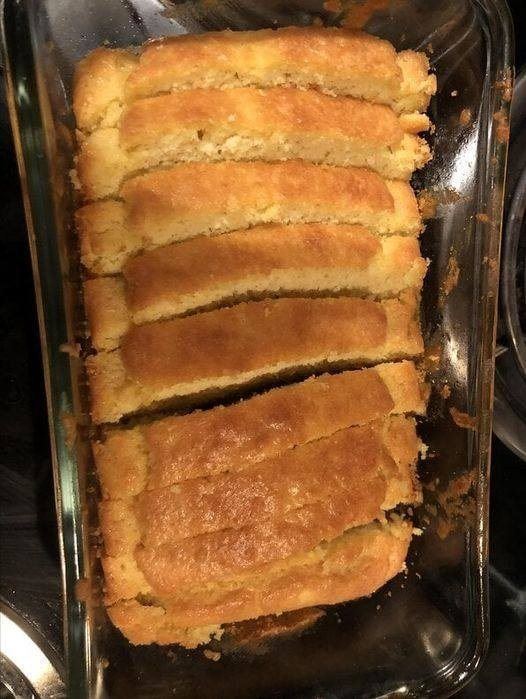
Prep Time: 15 minutes
Rise Time: 40 minutes
Bake Time: 50 minutes
Total Time: 1 hour 45 minutes
Difficulty: Intermediate
Intensity: Medium (Requires precision with specific ingredients and steps, but no advanced techniques).
Nutritional Information (Per Slice, 1/16th of loaf):
-
Calories: 140 kcal
-
Total Carbohydrates: 6g
-
Dietary Fiber: 4g
-
Net Carbs: 2g
-
Protein: 8g
-
Fat: 11g
-
Saturated Fat: 2g
Nutritional values are estimates calculated using a specific ingredient database. Your values may vary slightly based on product brands.
Ingredients:
Dry Ingredients:
-
2 cups (200g) ultra-fine blanched almond flour (not almond meal)
-
⅓ cup (40g) unflavored whey protein isolate (casein can substitute, but texture will be denser)
-
½ cup (50g) oat fiber (not oat flour; essential for structure and fiber)
-
⅓ cup (35g) whole psyllium husk powder (not flakes; crucial for elasticity)
-
2 tsp baking powder (aluminum-free)
-
1 tsp sea salt
Wet Ingredients:
-
1 cup + 2 tbsp (270ml) lukewarm water (approx. 100°F/38°C)
-
3 tbsp (42g) unsalted butter, melted (or coconut oil for dairy-free)
-
3 large egg whites, at room temperature
-
1 tbsp apple cider vinegar
Special Equipment:
-
9×5 inch loaf pan
-
Parchment paper
-
Stand mixer or hand mixer (highly recommended)
-
Instant-read thermometer (optional but helpful)
Instructions:
Step 1: Prepare and Preheat
-
Line your 9×5 inch loaf pan with parchment paper, leaving an overhang on the long sides for easy removal. Do not grease the sides, as the bread needs to cling to the parchment to rise properly.
-
Preheat your oven to 350°F (175°C). Position a rack in the center.
Step 2: Combine the Dry Team
In a large bowl or the bowl of your stand mixer, whisk together all the dry ingredients: almond flour, whey protein isolate, oat fiber, psyllium husk powder, baking powder, and salt. Whisk thoroughly for 1-2 minutes to ensure complete integration and to aerate the mixture. This prevents clumping later.
Step 3: Create the “Psyllium Gel” – The Magic Step
-
In a separate medium bowl or large measuring jug, combine the lukewarm water, melted butter, and apple cider vinegar.
-
Here is the critical moment: Immediately pour the wet mixture into the bowl of dry ingredients. Using your stand mixer with the paddle attachment (or a hand mixer on medium), beat the mixture for exactly 30-45 seconds. It will quickly transform from a liquid batter into a very thick, dough-like, and slightly sticky mass. This is the psyllium husk forming its gel-like structure—the very foundation of your bread’s texture.
Step 4: Incorporate the Egg Whites for Lift
-
In a clean, dry bowl, beat the room-temperature egg whites with a hand mixer (or by hand with a whisk) until soft peaks form. They should be foamy and hold a soft shape, not stiff and dry.
-
Add the beaten egg whites to the thick dough. Mix on low speed at first to incorporate, then increase to medium-high and beat for 60-90 seconds. The dough will become smoother, more elastic, and slightly less sticky. It should resemble a very soft, pliable bread dough. If it feels too stiff, add 1 more tablespoon of warm water.
Step 5: Shape and Rise
-
Scrape the dough into your prepared loaf pan. Using wet hands or a spatula dipped in water, smooth and shape the top into a gentle dome.
-
Let the loaf rise at room temperature for 40 minutes. Do not skip this step! This allows the baking powder to activate and the psyllium gel to fully hydrate and set, creating air pockets for the perfect crumb.
Step 6: Bake to Perfection
-
After the rise, place the loaf in the preheated oven on the center rack.
-
Bake for 50-55 minutes. The bread is done when it is deep golden brown, sounds hollow when tapped on the bottom, and an instant-read thermometer inserted into the center reads 200-205°F (93-96°C). The internal temperature is your most reliable guide.
Step 7: The Crucial Cool-Down
-
Remove the bread from the oven and let it cool in the pan for 10 minutes. Then, using the parchment paper overhang, lift the loaf out and place it directly onto a wire cooling rack.
-
You must let it cool completely before slicing—at least 2 hours, preferably 3. This is non-negotiable. The bread is still setting its structure as it cools. Slicing it warm will result in a gummy, damp interior.